
 Beginner
Brewing Basics: Your First All-Grain Batch
From mashing grain to pitching yeast — a step-by-step walkthrough of the brewing process with timing, temperatures, and what to watch for.
Read GuideCzech Craft Beer & Home Brewing
Honest, practical guides built on brewing science and hands-on experience. Whether you're mashing your first grain or dialling in a Czech-style pilsner, this is where you start.
 Grain to Glass
Three focused guides covering the full arc of home brewing — from understanding ingredients to setting up your first proper brewery corner.
Beginner
From mashing grain to pitching yeast — a step-by-step walkthrough of the brewing process with timing, temperatures, and what to watch for.
Read Guide Ingredients
Base malts, crystal malts, roasted grains. Noble hops versus New World varieties. Understanding these choices shapes every flavour in your glass.
Read Guide Equipment
Cut through the noise. This guide separates the essential from the optional — and explains why beginners often buy the wrong things first.
Read Guide
Good beer is not complicated — but it is precise. The core process has stayed the same for centuries: mash, boil, ferment, condition. What changes is what you put in and how carefully you control each stage.
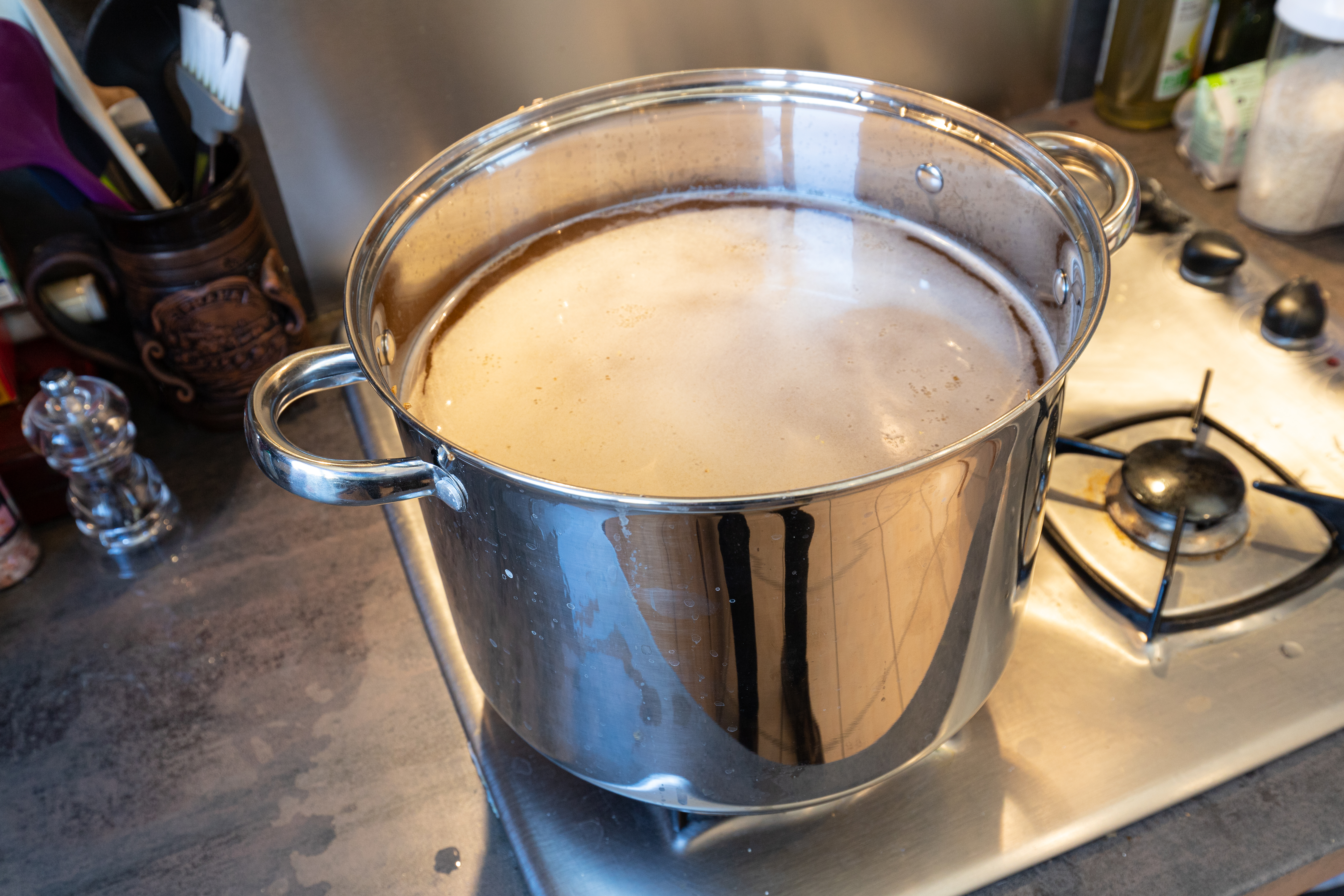
A simplified look at what actually happens on a typical 20-litre all-grain brew day at home.
Crush your grain and steep it in hot water for 60 minutes to extract fermentable sugars.
Bring the wort to a rolling boil, add hops at timed intervals for bitterness and aroma.
Chill wort rapidly to fermentation temperature, then add your chosen yeast strain.
Allow 1–3 weeks for fermentation, then bottle or keg with priming sugar for carbonation.

In 1842, the city of Plzen produced the world's first pale lager. That beer — Pilsner Urquell — was not an accident. It was the result of Bohemian soft water, locally grown Saaz hops with their characteristic spicy floral character, and a lager yeast that worked cleanly at low temperatures.
The Zatec (Saaz) hop region, about 80km northwest of Prague, still supplies some of the most prized hops in the world. Brewers from Bavaria to Japan use Czech Saaz to recreate that delicate, elegant bitterness. For home brewers, brewing a Czech-style pilsner is one of the most demanding and rewarding styles you can attempt.
Explore Czech Ingredients